eCowhides Care, Shedding, and FAQ: Official Thickness, Storage, and Cleaning Advice
Official eCowhides FAQ and product-page care claims, including initial shedding, 2–4 mm thickness, hair-length notes, storage, and damp-cloth cleaning, without a hands-on test.
Disclosure: This page may contain affiliate links. They do not influence our editorial conclusions. Read the disclosure.
Our pick
- See price at eCowhides
Top pick
eCowhides
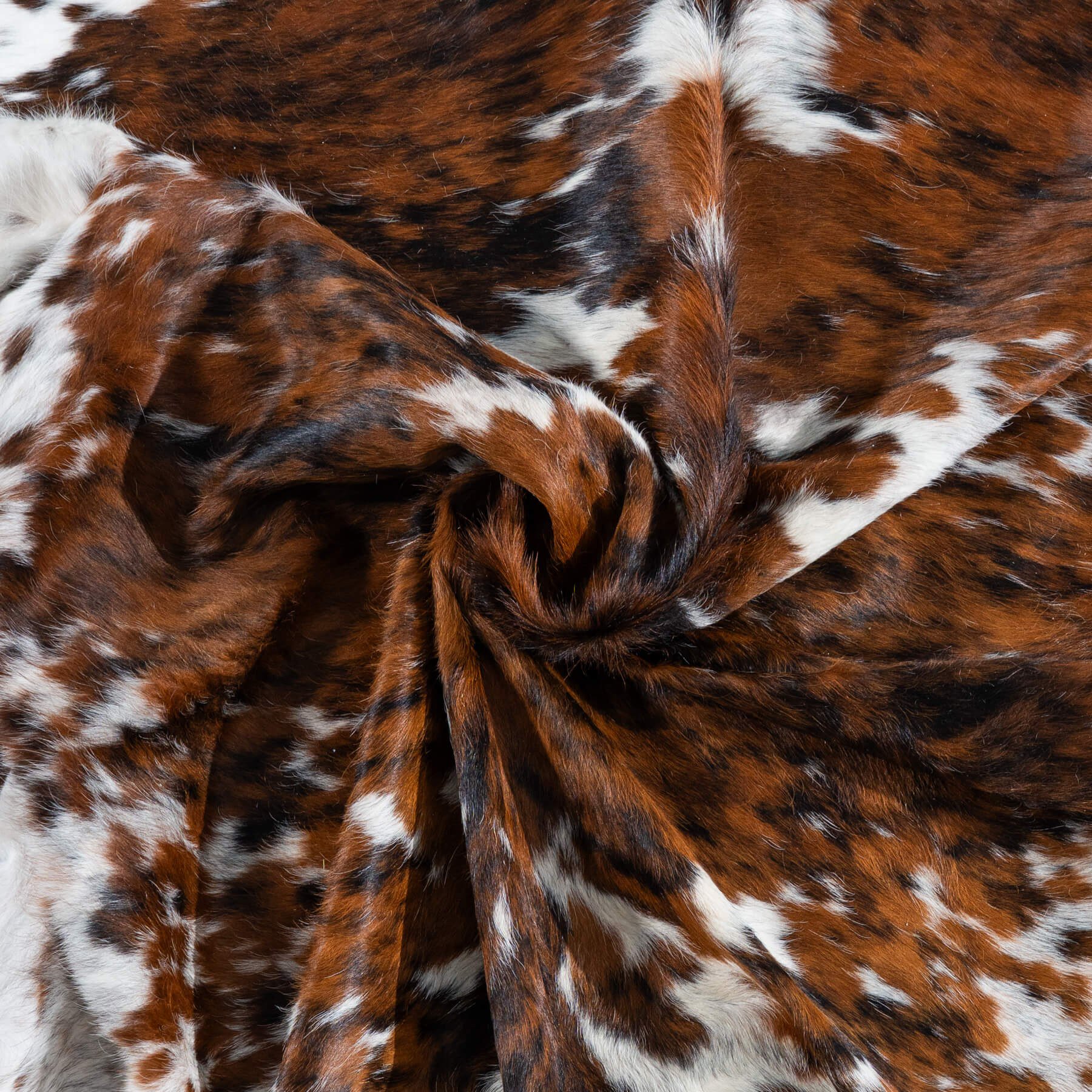
eCowhides sells individually photographed genuine hair-on cowhide rugs, including Colombian hides listed as the exact piece you receive, with published U.S. and...
What this guide covers
eCowhides Care, Shedding, and FAQ: Official Thickness, Storage, and Cleaning Advice

eCowhides publishes care and product-expectation answers on its official FAQ, and it repeats a short cleaning line on individual hide pages. This guide collects those official statements as they stood on November 18, 2026. It is not a cleaning test, a shedding test, or a veterinary or medical article. If a later official care page tightens a method, the live page wins.
Policy and unique-hide buying context are in the shopping guide and the size and pattern guide. Hide 3906 is reviewed separately. The store link is /go/ecowhides.
Official shedding and lifespan language
The official FAQ asks, “Do your cowhides shed?” and answers that initially “there may be hair loss from the cowhide due to the handling and trim process to which it was subjected. This drop is natural and will be less intense with the course of daily use.” Shedding “should not occur if the cowhide is cared for properly.” It “may happen over time in areas with high foot traffic, excessive rubbing, exposure to direct sunlight, or where heavy objects are placed.” Proper care, the page says, helps maintain durability and appearance.
That official answer has two clocks. Some hair loss at the start is described as expected from handling and trimming. Ongoing shedding is described as something that should not happen with proper care, and then as something that may still happen in high traffic, sun, rubbing, or under heavy objects. This guide will not reconcile those official clauses into a single “it never sheds” promise. If early shedding would be a problem, read that FAQ before you buy, and keep the unused-return window in mind if you have not put the hide into use.
The official FAQ also asks how long a cowhide will last and answers, “Our cowhide will last you a lifetime with proper care and maintenance, as we are dedicated to using the best formulas and chemicals elaborated by our family tradition.” Product pages add that hides are “built to last decades” and get “softer and richer with age.” Lifetime and decades are official durability claims, not a warranty document with a numbered term in this FAQ extract. Official return and restocking rules remain the 30-day unused path described in the shopping guide, not a lifetime take-back.
Official thickness, hair length, and natural marks
“How thick are your cowhides?” Official answer: the hides are “very pliable,” “generally ranging between 2 mm and 4 mm thick, which is about 1/16 to 1/8 of an inch.” That is a brand range, not a published thickness for a named SKU such as 3906. If a door clearance is tight, ask the company about the hide you are buying.
“What is the hair length on cowhides?” Official answer: hair lengths “typically have hair lengths that do not exceed 3 inches in the neck area.” The company “offer[s] a variety of styles, including short-hair cowhides like Speckleds, Grays, and Brindles, as well as mid-to-long-hair cowhides, which include certain Brindles, Black and Whites, Herefords, Browns, Blacks, and Trico…” The extracted official sentence is cut at “Trico,” which is enough to show that official tricolor and some brindle hides can sit in different official hair-length groups, and that “brindle” appears in both the short-hair and mid-to-long lists. Do not assume every official brindle is short-haired. Look at the official photos of the exact hide.
“What to expect from a cowhide?” Official answer: hides “might contain some natural flaws due to conditions inherent to natural animal products such as branding and barbwire markings, that will be discreetly repaired.” Official exact-hide photography is the way those marks are disclosed on photographed listings. A mark that is visible in the official gallery is part of the piece.

Official cleaning and storage
Product-page cleaning language, including on hide 3906, is to blot spills and wipe with a damp cloth, with “no washing machine needed” on at least one official mix-hide listing. The official FAQ does not, in the extract used here, add a vacuum setting, a brush type, or a named hide soap. This guide will not invent a machine-wash method or a shampoo recipe. If you want a product-specific cleaner, ask eCowhides; do not assume a leather-sofa product is approved.
Storage official advice: “You can store the hide in a box without plastic out of the sun. If you are moving, place the hide in a plastic bag in case to protect it from water and humid weather.” Everyday storage is officially without plastic and out of the sun. A plastic bag is official advice for a move in wet or humid conditions, not for long-term storage in the same official paragraph. Direct sunlight also appears in the official shedding answer as a condition that can increase hair loss over time.
Suede-backing official language says the hide grips the floor without a rug pad. The FAQ does not, in the extract used here, ban a pad or require one. If a slippery official floor is a concern, ask the company whether a pad is compatible with the official backing; this guide will not invent a pad rule.
Hypoallergenic official wording on product pages says genuine cowhide does not trap dust, pollen, or allergens the way synthetic or woven rugs can. That remains a brand claim, not a lab result in this article, and it is not a cleaning method.
If you need to return a hide, official unused-condition rules still apply; a hide that has been used as a floor covering may fall outside a “new, unused” return even if you followed official damp-cloth cleaning. Start any return through orders@ecowhides.com. The primary texts are the FAQ, current product pages such as 3906, and the shipping-and-returns page, also via /go/ecowhides.
High-traffic official warnings are worth reading twice if the hide will sit in a hallway or under a dining table. The FAQ names foot traffic, rubbing, sun, and heavy objects as conditions that can cause shedding over time even after the initial trim-related drop. Official “lifetime with proper care” language sits on the same page. Together, they describe a hide that the company presents as durable when cared for, and as vulnerable when those conditions are constant. This guide will not invent a “no dining chairs” rule; it will point you back to those official conditions.
If you rotate or store the hide seasonally, use the official box-without-plastic, out-of-the-sun method, and reserve the official plastic bag for a wet or humid move. Do not, based on this article, fold the hide in a way the company has not approved; the FAQ extract used here does not describe folding versus rolling. Ask if you need a packing method for a long storage period.
International care does not change the official cleaning sentence, but official customs and shipping terms still apply if you ever send a hide back. An international unused return would still be customer-paid freight under official policy, with restocking after day 7. That is a costly way to discover that official shedding at the start is more than you wanted to see. Read the FAQ before the hide leaves the box, and use the first-seven-days window only if the hide is still unused.
For hide-specific questions—thickness of SKU 3906, whether a particular brindle is in the official short-hair group, or whether a pad is acceptable—email orders@ecowhides.com with the SKU and keep the reply. Brand-level FAQ ranges are a start, not a substitute for a written answer about one photographed hide.
References
Meet your guide
Lipeiguan
author
What to read next
 Neutral Curtains Official Company Identity, Factory, and Contact Details Official Neutral Curtains About typography says the brand began in 2020, names a vertical factory of 5,000 square meters in China, and merchandises dressing over 200,000 windows ac...
 Neutral Curtains Official Measuring Guides and Made-to-Order Limits Official Neutral Curtains measuring pages publish inside- and outside-mount shade rules, official 1/8-inch rounding typography, official 3/8-inch production deductions, and officia...
 Neutral Curtains Official Cancellation Windows and Pacific Time Rules Official Neutral Curtains cancellation typography uses a 12-hour clock and official Pacific Time (US & Canada), while official contact typography lists daily hours in EST. Official...