Intelligentsia Direct Trade, Official Coffee Seasons, and What “In Season” Means
Official Intelligentsia copy defines Direct Trade, two annual buying seasons, and an “In Season” mark for coffees less than nine months from harvest. This article stays with those official definitions and sourcing lists.
Disclosure: This page may contain affiliate links. They do not influence our editorial conclusions. Read the disclosure.
Our pick
- See price at Intelligentsia Coffee
Top pick
Intelligentsia Coffee
Intelligentsia Coffee is a Chicago specialty roaster established in 1995 that sells roast-to-order Direct Trade coffees, with official U.S. complimentary shippi...
Intelligentsia Direct Trade, Official Coffee Seasons, and What “In Season” Means

Official Intelligentsia FAQ and Direct Trade pages describe a buying model the company uses instead of a generic commodity story. Official FAQ text says Intelligentsia sources coffee from “dozens of Direct Trade suppliers in 14 countries around the world,” and that fair payment is addressed “through our commitment to direct trade, a structure that promotes monetary transparency, socially and environmentally progressive practices, and strong relations with farmers by directly working with them.” Official approach and Direct Trade copy adds that extraordinary coffee is designed “from the ground up,” that official sourcing visits are central, and that the Extraordinary Coffee Workshop, created in 2009, has convened official Direct Trade partners in eight countries. This article stays with those official definitions as of November 18, 2026. It is not an audit of farm prices, and it is not a cupping.
How official roast-to-order shipping works is in the shopping guide. How official blend and single-origin names appear on the current menu is in the menu comparison. Official retail addresses are in the locations guide. The store link is /go/intelligentsia.
Official seasons, and the nine-month “In Season” mark
Official FAQ text treats coffee “like produce” and says it is best when freshest from the farms on which it is grown. Official buying work is organized into “two annual coffee buying periods as seasons, each of which corresponds with the peak of harvest in a different part of the world.” Official text says that across most of the Northern Hemisphere, harvest is busiest during official winter months, and those northern-season coffees are introduced to the menu beginning in the spring. Official Southern Hemisphere coffees are generally harvested in late spring and early summer, and official southern-season coffees “find their way onto our menu starting in the fall.”
Official “In Season” language is more precise than a calendar marketing season. “Regardless of the season, we mark all our freshest single-origin coffees as ‘In Season’ to let you know they are less than nine calendar months removed from harvest.” Official text applies that official mark to official single-origin lots, not automatically to every official blend. This article will not invent an official harvest date for a blend bag. If an official single-origin page carries the official In Season mark, official FAQ text already defines the window.
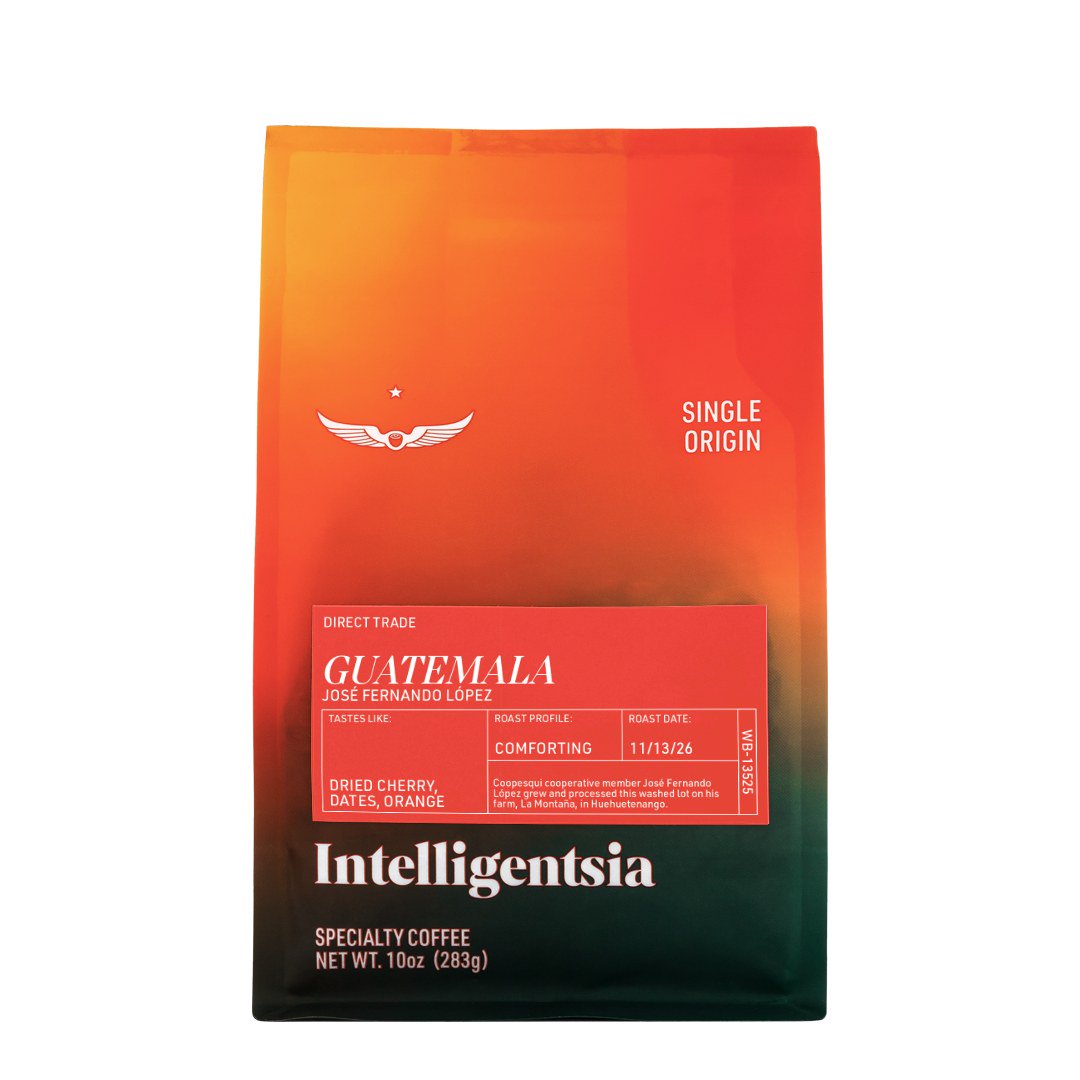
Official origin lists for those seasons are public in the FAQ. Official Northern Season origins, in official North America and East Africa, are Costa Rica, El Salvador, Ethiopia, Guatemala, Honduras, Kenya, Mexico, and Nicaragua. Official Southern Season origins, in official South America and Central Africa, are Bolivia, Brazil, Burundi, Colombia, Peru, and Rwanda. That is an official 14-country list that matches the official “14 countries” FAQ sentence. Official current lots, such as Guatemala José Fernando López at Finca La Montaña in Huehuetenango, or official Ethiopia and Peru listings on the same collection, should be read against that official map, not against a country list this article invents.
Official Direct Trade language, including what it does not quantify here
Official Direct Trade copy on the approach pages describes a model designed to find producers who are “as fanatical about growing coffee as we were about roasting and brewing it,” and to turn that shared official commitment into coffee and “mutual commercial advantage.” Official text says regular sourcing visits, review of official data from the previous season, and mutual commitments to farm or mill innovations are part of official work, with risks and rewards meant to be shared. Official text also raises a caution inside the company’s own voice: official copy questions a “transparency movement” in which companies publish prices they pay, and it asks how to “do the least harm,” not only who can “do the most good.”
That official self-description is still not a public farm-gate table in the pages reviewed for this article. Official FAQ text answers “How do you make sure your farmers are paid fairly?” by pointing back to official Direct Trade practices, not by printing a current official price list in the FAQ itself. This article will not invent official pound prices or official premiums. If official transparency figures are published on a current official lot page or a current official impact page, read those official numbers there, dated to the lot.
Official quality-adjacent FAQ claims that sit beside Direct Trade include official water-activity testing described as the reason official coffee is “mold-free,” official kosher status for coffee roasted at the official Chicago facility, and official USDA organic offerings that the company says it always carries across single origins, blends, espressos, and decaf. Official text also says flavorings are not added. Those official process claims are company-level, not a substitute for an official lot story such as Coopesqui membership or a named washed process.

What official seasonality means at checkout
Official roast-to-order practice in Chicago is a freshness tool official text emphasizes, and official storage advice still recommends a three-month official consumption window from the roast date, with a shorter official peak window of five to seven days off roast and up to three weeks. Official In Season marking is about time from harvest, not time from the official roast date. A shopper can have an official In Season lot that is still inside nine months of harvest and an official roast date that is only days old, which is the official system working as described. Official holiday exceptions to the 3 p.m. CT roast clock, already warned in official FAQ text, can still delay the official bag you wanted to brew inside that official peak window.
Official subscriptions can follow official seasonal rotation because official account tools allow a coffee swap, including official blends and official single origins among official subscription options, with official skip and change-date controls. Official special-selection coffees may be excluded from the official add-to-upcoming-order button. Official Celebration Blend merchandising on this research date is official seasonal menu language, not an official news announcement and not an official harvest definition.
Recheck official lot pages for the official In Season mark and for official farm or cooperative names, then open the store through /go/intelligentsia. Official Direct Trade copy is a buying-model statement. Official nine-month language is a dating rule. Neither official text is a guarantee of a particular official cup.
Official northern official origins include official Ethiopia and official Guatemala, which is why official Illumination official Ethiopia-centered blend copy and official Guatemala José Fernando López can appear on the same official seasonal map without being official substitutes for one another. Official southern official origins include official Colombia and official Peru, which official current official lots may fill when official southern-season official coffees arrive on official menus in official fall, according to official FAQ timing. Official menus can of course carry official coffee from more than one official season at once; official In Season marks, when present, are the official way to see which official single-origin lots official text still considers inside nine official months of official harvest.
Official roastery geography is official Chicago packaging and official roast-to-order, with official Bedford Park roasting-works address published as an official non-retail site in official location text. Official Direct Trade official visits, official workshop convenings, and official farm relationships are official sourcing work that official copy locates with official partners, not at an official public tasting counter in official Bedford Park. Official coffeebar cups and official mail-order official bags share official branding and may not share official roast dates or official lots on a given official day.
References
Meet your guide
Lipeiguan
author
What to read next
 Lastaforest Barista Air Wand: Official Coffee-Tool Use and Safety Limits Official lastaforest.com product text describes the Barista Air Wand as a cordless grinder vacuum designed specifically for coffee burrs, for removing fine grounds and static-charg...
 Lastaforest Compatibility Guide: Official 51, 54, and 58 mm Fit Checks Official lastaforest.com merchandising tells shoppers to choose a machine size first, then confirm the model, basket depth, and portafilter ears before buying. Official compatibili... Lastaforest About and Terms: Official 2023 Story, 2024 Partnerships, and Torrance Contact Details Official lastaforest.com About Us text says the shop started in 2023 to bring premium coffee tools to home baristas, lists official 2024 first partnerships with MHW-3BOMBER, MUVNA,...